


Thulasi, or Holy Basil, is a potent adaptogen, vital in Siddha for respiratory health, stress relief, and immunity.
🌿 COSMO SIDDHA HERB LIBRARY
Thulasi
The Queen of Herbs, revered in Siddha for its profound healing prowess.
Thulasi, commonly known as Holy Basil, is a revered herb in Siddha medicine, cherished for its profound medicinal properties. It is often called the 'Queen of Herbs' due to its wide range of therapeutic benefits, particularly for respiratory and immune health.
Keezhanelli, Adathodai, Karisalankanni
🌱 What is Thulasi?
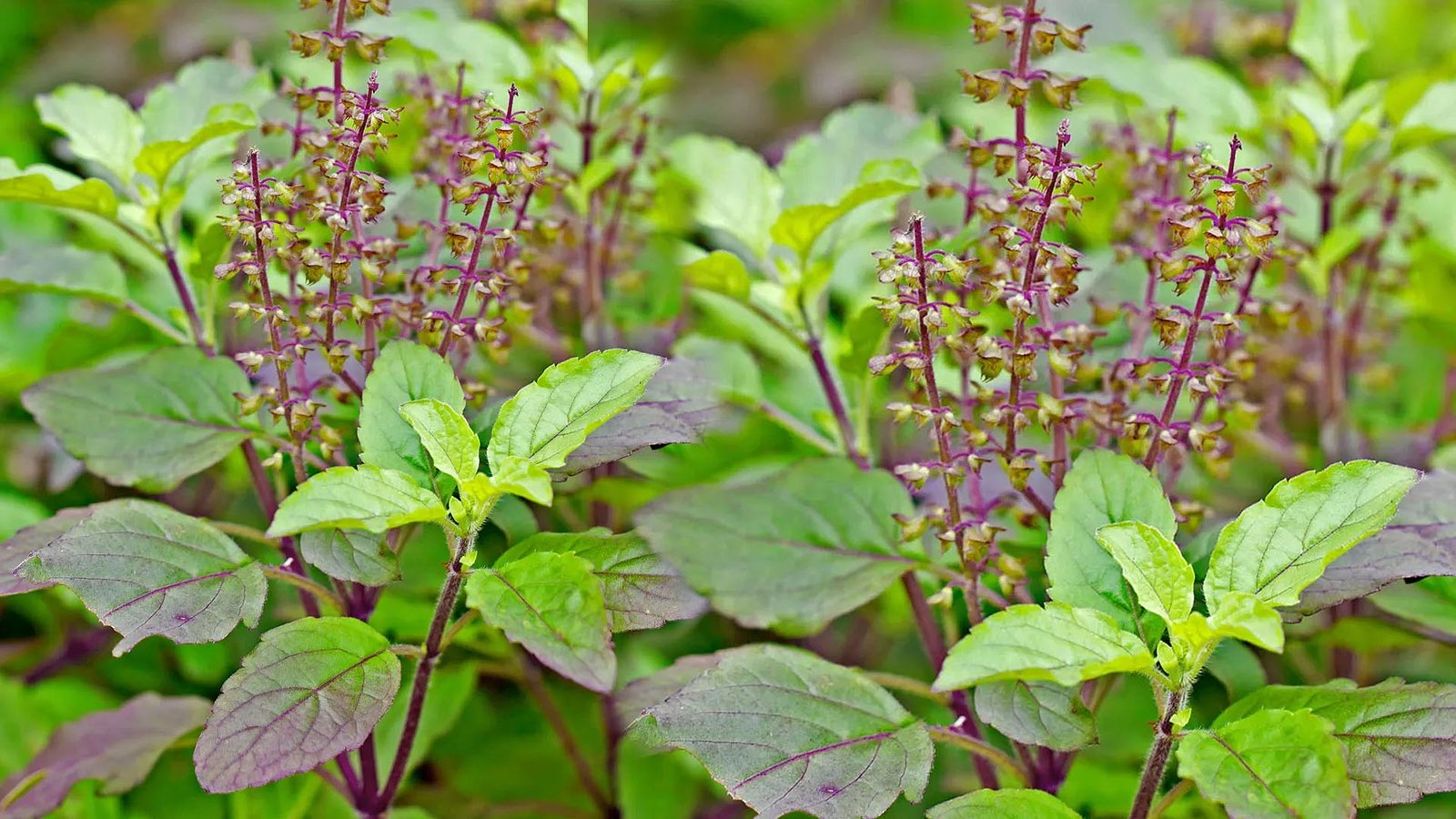
Ensure the plant has distinct aromatic leaves and purplish stems, characteristic of Holy Basil varieties.
🌿 Thulasi
Holy Basil (Ocimum sanctum / Ocimum tenuiflorum)
How to Identify Thulasi
👁️ Distinctive Appearance
Leaves: Leaves are oval, slightly toothed, aromatic, and typically green (Rama Thulasi) or purplish (Krishna Thulasi). They have a strong, distinct fragrance when crushed.
Stem: Stems are usually purplish or green, slender, branched, and hairy.
Fruit/Flower: Small, reddish-yellow or blackish seeds enclosed in tiny capsules, developing after flowering.
🌱 Where Thulasi Grows
Thulasi is native to the Indian subcontinent and is widely cultivated across tropical and subtropical regions globally, often found in homes, gardens, and temples.
- India
- Southeast Asia
- Africa
- Australia
⚠️ Do Not Confuse With
Often confused with other Ocimum species. True Thulasi (Ocimum sanctum/tenuiflorum) has a unique peppery, clove-like aroma and taste, unlike common basil (Ocimum basilicum) which is sweeter and more liquorice-like.
Thulasi in Siddha Medicine
Traditional Reference Traditional Reference 🟤
Thulasi is highly revered in Siddha for its ability to balance all three humors (Vata, Pitta, Kapha). It is particularly noted for its pungent (Katu) and bitter (Kaippu) tastes, and its warming potency (Veerya). It is a potent immunomodulator, anti-inflammatory, and antipyretic, widely used for respiratory ailments, fever, stress, and skin conditions.
📖 Classical Siddha Texts
Meaning: Drinking the juice of Thulasi leaves mixed with warm water will relieve cold and fever. It also removes toxins from the body.
Associated Siddhar
Agathiyar
Agathiyar, one of the foremost Siddhas, is believed to have extensively documented the medicinal properties of various herbs, including Thulasi, emphasizing its spiritual and therapeutic significance in his works.
Uses and Effects
🌿 Traditional Siddha Uses
Traditional Use 🟤- Respiratory Health: Used for cough, cold, asthma, bronchitis, and other respiratory tract infections due to its expectorant and anti-inflammatory properties.
- Fever Reducer: Effectively used to alleviate various types of fevers, including malarial and dengue fevers, by promoting sweating and reducing body temperature.
- Stress & Anxiety: As an adaptogen, it helps the body cope with stress, promotes mental clarity, and reduces anxiety.
- Immune Booster: Enhances the body's immune response, protecting against infections and common illnesses.
- Digestive Aid: Supports healthy digestion and can relieve indigestion, bloating, and stomach cramps.
- Skin Conditions: Topically and internally used for skin infections, acne, and insect bites due to its antimicrobial properties.
🧬 Modern Research & Validation
Research Evidence 🔵Contemporary scientific studies have begun to validate many of the traditional uses of Thulasi, focusing on its adaptogenic, anti-inflammatory, antioxidant, and antimicrobial properties.
- Adaptogenic Properties: Studies confirm Thulasi's ability to help the body adapt to physical and psychological stress by normalizing physiological processes.
- Antimicrobial Activity: Research shows potent antibacterial, antiviral, and antifungal effects, supporting its use in treating various infections.
- Immunomodulation: Evidence suggests Thulasi enhances immune cell function and boosts overall immunity.
- Anti-inflammatory Effects: Contains compounds like eugenol that exhibit significant anti-inflammatory actions, beneficial for chronic inflammatory conditions.
⚠️ Safety & Warnings
While natural, Thulasi is a potent medicinal herb. Dosage and usage should be guided by expertise.
Who Should Be Careful
- Pregnant and breastfeeding women: Consult a doctor as it may affect uterine contractions or have unknown effects on infants.
- Diabetics: May lower blood sugar levels; monitor glucose carefully if on medication.
- Individuals on anti-coagulant drugs: Thulasi may have blood-thinning properties and could interact with such medications.
- People with bleeding disorders: Use with caution due to potential anti-platelet effects.
Potential Side Effects
Generally safe when consumed in recommended doses. High doses might cause mild stomach upset, nausea, or diarrhea. Long-term use without supervision is not recommended.
🌿 Quick Summary
📚 Sources & References
- Siddha Vaidya Thirattu
- Journal of Ayurveda and Integrative Medicine
- Pharmacognosy Reviews
- Traditional Siddha Practitioners' Knowledge