

Are you constantly tired, losing hair, or battling dark circles? Uncover the hidden truth behind your fatigue and reclaim your ...
The Silent Thief: Unmasking the Culprit Behind Your Constant Fatigue
Imagine a vital, unseen force coursing through your veins, a silent hero responsible for delivering life-sustaining oxygen to every single cell in your body. This unsung champion is none other than hemoglobin. When its levels dip, however, its absence manifests in a myriad of unsettling ways, turning vibrant energy into debilitating fatigue, once-lustrous hair into brittle strands, and bright eyes into shadowed pools of weariness. If you've found yourself constantly battling exhaustion, noticed an alarming amount of hair in your brush, or witnessed the persistent presence of dark circles under your eyes, you might be experiencing the subtle yet profound impact of low hemoglobin, a condition commonly known as anemia.
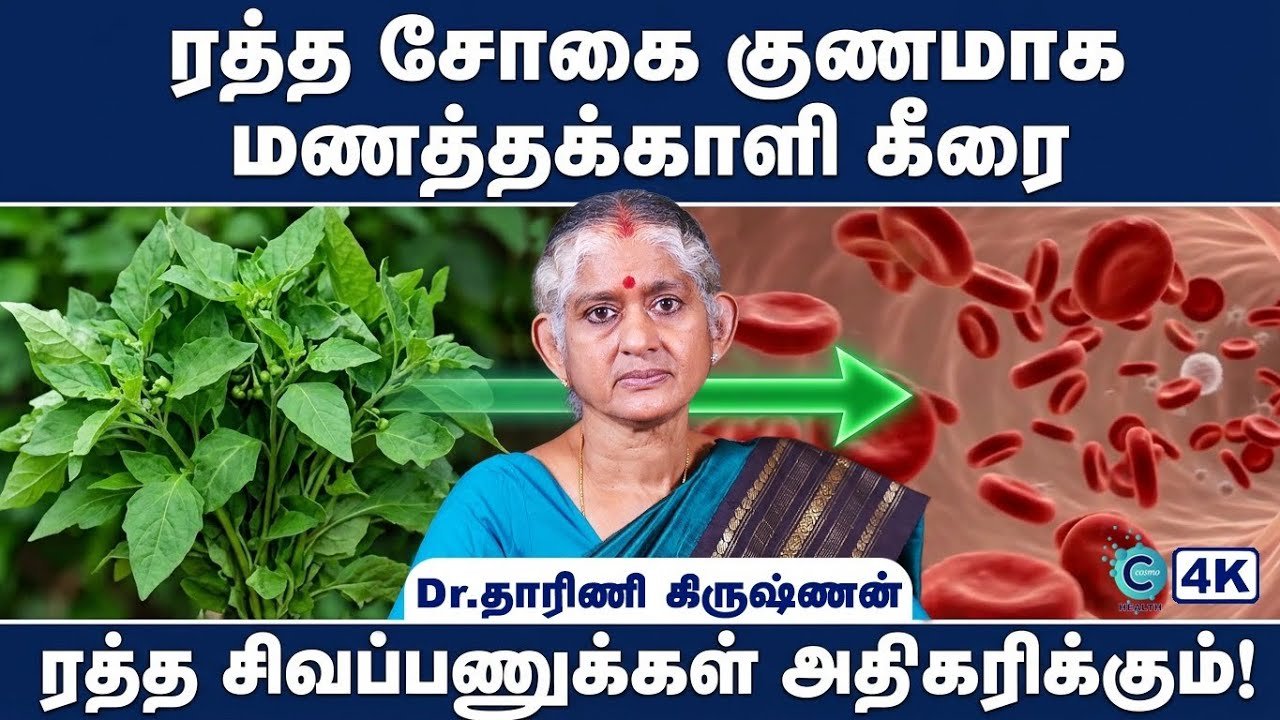
The wisdom of our ancestors often holds keys to modern ailments. Long before advanced diagnostics, traditional healers understood the profound connection between diet and vitality. They instinctively turned to nature's bounty, particularly to humble greens like 'Manathakkali Keerai' (Black Nightshade greens), not just for common digestive complaints like stomach ulcers but specifically to combat the very symptoms we now associate with low hemoglobin. This ancient knowledge, often passed down through generations, served as a foundational pillar in maintaining health and energy, offering simple yet powerful remedies from the earth itself.
At its core, hemoglobin is a complex protein molecule in red blood cells, comprising two crucial parts: 'Heme' and 'Globin'. The 'Heme' component is where iron resides, the mineral absolutely essential for binding oxygen. The 'Globin' component is a protein structure that houses the heme. This means that a deficiency in either iron or protein – or often both – can lead to compromised hemoglobin levels, ultimately impairing your body's ability to transport oxygen effectively and function optimally. Understanding this intricate balance is the first step towards reclaiming your health and vitality.
Unveiling the Hemoglobin Mystery: More Than Just a Blood Count
The importance of hemoglobin extends far beyond merely carrying oxygen. It is the very engine of your cellular life, a tireless courier ensuring that every tissue, every organ, from your brain to your toes, receives the vital oxygen and nutrients it needs to thrive. Without sufficient hemoglobin, your body literally gasps for air at a cellular level, leading to the classic symptoms of anemia: persistent tiredness, an overwhelming desire to sleep even after a full night's rest, noticeable hair loss, and a tell-tale pallor, often visible when you gently pull down your lower eyelid, revealing a lack of healthy redness.
While these symptoms offer strong clues, a definitive diagnosis requires a simple blood test. Generally, healthy hemoglobin levels hover around 12 to 13.5 grams per deciliter (g/dL) for girls and up to 14 g/dL for boys. However, a significant concern arises when these levels dip below 10 g/dL. Such a drop indicates a severe deficiency that necessitates immediate medical attention and prescribed medication. For those whose levels range between 10 and 12 g/dL, a targeted dietary approach, guided by expert advice, can often be sufficient to restore balance.
The journey to increased hemoglobin is not an overnight fix. Unlike some nutrients that show immediate effects, raising iron levels in the blood takes time and consistent effort. It's a marathon, not a sprint. Typically, it can take up to three months to see a significant improvement, perhaps moving from 10 to 11 g/dL. This is why adherence to your doctor's recommendations for medication duration is paramount, followed by re-testing to confirm your levels have returned to a healthy, normal range. Discontinuing medication prematurely, even if you feel better, can set back your progress, making it crucial to complete the full course as advised by your healthcare provider.
The Path to Replenishment: Strategic Diet and Smart Supplementation
For those requiring iron supplements, understanding how to maximize their absorption is key. Iron tablets are most effectively absorbed when taken on an empty stomach in the morning. However, if this causes stomach discomfort, a mid-morning or mid-afternoon slot, between meals, can be a suitable alternative. Crucially, pairing your iron supplement with a source of Vitamin C, such as a glass of lime juice or a piece of Indian gooseberry (Amla), significantly enhances iron absorption. Conversely, avoid taking iron supplements with meals, as certain compounds in food, like oxalates and phytates, can bind to iron and inhibit its uptake by the body.
Addressing common concerns around iron supplements is also vital. Many users report blackening of stools, which is a normal, harmless side effect indicating the iron is being processed. Another frequent complaint is constipation. This can be easily managed by increasing your intake of fiber-rich foods, such as abundant fresh vegetables, fruits, and whole grains. Aim for at least 1.5 to 2 cups of vegetables per meal, moving beyond the mere two tablespoons often suggested, to truly nourish your system and alleviate digestive issues.
Protein: The Other Half of the Hemoglobin Equation
Remember, hemoglobin isn't just about iron; it's equally about protein. Ensuring an adequate protein intake is crucial for synthesizing the 'globin' component. For vegetarians, excellent sources include various lentils and pulses like chickpeas and black-eyed peas, whole grains, mushrooms, paneer (Indian cheese), and soy products. Non-vegetarians can benefit from lean protein sources such as eggs, fish (preferably cooked in curries rather than fried to avoid excessive oils and maintain nutritional integrity), and chicken (again, opted for in curry form with minimal oil).
Decoding Iron-Rich Foods and Dispelling Common Myths
While some foods are championed for their iron content, it's essential to distinguish facts from popular misconceptions. Many people mistakenly believe that brightly colored red fruits and vegetables like beetroot and watermelon are rich in iron. While healthy in their own right, their iron content is relatively low. The true heroes of iron-rich plant-based foods often lie elsewhere.
- Manathakkali Keerai (Black Nightshade Greens): This traditional powerhouse can be consumed in various ways – chewed raw on an empty stomach, juiced, or cooked into stir-fries or curries. Adding a squeeze of lemon juice to the raw leaves or juice can further boost iron absorption.
- Dried Fruits: Include nutrient-dense options like dried grapes (raisins) and dates in your diet.
- Seeds: Garden cress seeds and black sesame seeds are small but mighty sources of iron.
- Whole Grains: Finger millet (Ragi) is another valuable addition. When choosing ragi, opt for the whole grain and prepare it yourself rather than relying on processed flours, which might have reduced nutritional value or hidden additives.
While many leafy greens contain iron, they also often contain oxalates and phytates, which can hinder iron absorption. This is why incorporating various iron-rich foods, along with Vitamin C, and strategic timing for supplements, is vital for a holistic approach.
Safeguarding the Future: A Focus on Women and Children
The impact of low hemoglobin extends through critical life stages, particularly for women and children. Early detection in children is paramount. It is highly advisable for parents to get their children's hemoglobin levels checked around the age of eight or nine, ideally before the onset of menstruation in girls. Correcting anemia before menstruation begins is significantly easier, as the monthly blood loss associated with periods can make it more challenging and time-consuming to replenish iron stores later on.
“For expecting mothers, maintaining normal hemoglobin levels is not just important; it's absolutely critical. A mother's blood is the lifeline to her unborn child, delivering all essential nutrients and oxygen. Ensuring healthy hemoglobin ensures a healthy pregnancy and supports the optimal development of the baby.”
Therefore, whether through dietary adjustments, carefully timed supplements, or prescribed medication, proactive management of hemoglobin levels is a gift of health you give to yourself and to future generations. By embracing both traditional wisdom and modern nutritional science, you can conquer anemia, reclaim your energy, and illuminate your life with renewed vitality. Don't let the silent thief steal your well-being – understand, act, and thrive!