


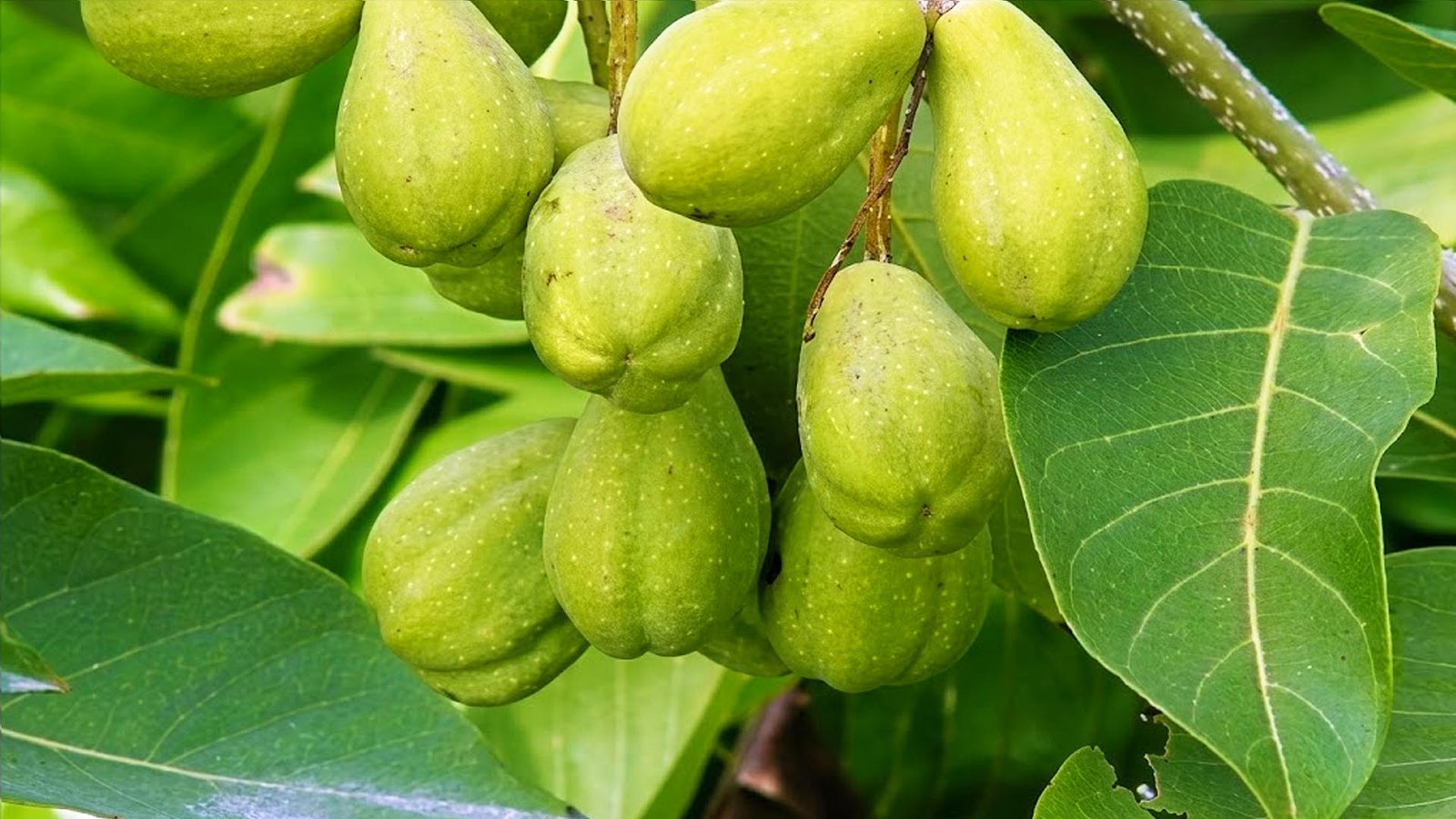
Kadukkai, or Haritaki, is a potent Siddha and Ayurvedic herb known as the 'King of Medicines' for its wide-ranging benefits.
🌿 COSMO SIDDHA HERB LIBRARY
Haritaki
The revered 'King of Medicines' for holistic wellness.
Kadukkai, scientifically known as Terminalia chebula, is a highly esteemed medicinal fruit in traditional Siddha and Ayurvedic systems. Revered as the 'King of Medicines,' it is celebrated for its diverse therapeutic properties, particularly its profound impact on digestion and detoxification.
Neem, Turmeric, Amla
🌱 What is Haritaki (Kadukkai)?
Verify Haritaki through its distinct wrinkled appearance and the dark, hard nut inside.
🌿 Haritaki
Chebulic Myrobalan, Ink Nut (Terminalia chebula)
How to Identify Haritaki
👁️ Key Features
Leaves: Simple, ovate-elliptic leaves, 7-20 cm long, with an acute tip and smooth margins, often appearing opposite or sub-opposite on branches.
Stem: A medium to large deciduous tree with a straight trunk, often branching at a low height, covered in dark brown to blackish, longitudinally fissured bark.
Fruit/Flower: Small, hard, ovoid to ellipsoid-shaped fruits, typically 2-4.5 cm long, with five distinct longitudinal ridges, appearing green when young and ripening to a wrinkled yellowish-brown or dark brown/black.
🌱 Geographic Distribution
Haritaki is native to the Indian subcontinent and Southeast Asia, flourishing in various climatic zones.
- India
- Nepal
- Sri Lanka
- Myanmar
- Thailand
⚠️ Distinguishing from Similar Herbs
Often confused with Amalaki (Emblica officinalis) or Bibhitaki (Terminalia bellirica) due to their similar traditional uses and collective presence in Triphala. Haritaki fruits are distinctly ridged and have a more elongated, slightly pointed shape compared to the rounder, smoother Amalaki and Bibhitaki.
Haritaki in Siddha Medicine
Traditional Reference Traditional Reference 🟤
A cornerstone of Siddha medicine, Haritaki is revered as a 'Kayakalpa' herb, promoting longevity, rejuvenation, and balancing the three humors (Vata, Pitta, Kapha). It's widely used for digestive health, detoxification, and strengthening various organ systems.
📖 Key Siddha Texts Mentioning Haritaki
Meaning: Haritaki with jaggery will remove all impurities without causing any harm.
Associated Siddhar
Agathiyar
Agathiyar, one of the foremost Siddhas, extensively documented the properties and uses of Haritaki in his texts, emphasizing its role in maintaining health, preventing disease, and achieving spiritual well-being (Kayakalpa).
Uses and Therapeutic Effects
🌿 Traditional Applications
Traditional Use 🟤- Digestive Health: Acts as a mild laxative, aiding regular bowel movements and improving digestion. It helps in expelling gas and reducing bloating.
- Detoxification: Known for its ability to cleanse the body of toxins (ama), supporting liver function and overall systemic purification.
- Rejuvenation (Kayakalpa): Believed to promote longevity, enhance vitality, and strengthen the immune system, acting as a potent anti-aging herb.
- Respiratory Support: Used in managing coughs, colds, sore throats, and other respiratory conditions due to its anti-inflammatory and expectorant properties.
- Oral Health: Used in gargles and tooth powders for gum health, preventing cavities, and soothing oral inflammations due to its astringent nature.
🧬 Modern Scientific Research
Research Evidence 🔵Contemporary research is increasingly validating the traditional claims of Haritaki, focusing on its phytochemical composition and pharmacological activities.
- Antioxidant Activity: Studies confirm its high antioxidant content, attributed to compounds like tannins and phenolic acids, which combat oxidative stress and cellular damage.
- Anti-inflammatory Effects: Research shows its potential in reducing inflammation, which is beneficial for various chronic diseases, supporting its traditional use in pain and swelling.
- Antimicrobial Properties: Extracts of Haritaki have demonstrated antibacterial, antiviral, and antifungal activities against a range of pathogens, supporting its use in infections.
- Hepatoprotective Action: Some studies suggest its ability to protect liver cells from damage and support liver regeneration, aligning with its detoxifying reputation.
- Gastrointestinal Support: Modern studies indicate its efficacy in regulating gut motility, improving digestion, and possessing mild laxative properties, confirming its traditional use for bowel health.
⚠️ Safety & Precautions
Remember, natural does not always mean safe. Always exercise caution and seek professional advice.
Who Should Be Cautious?
- Pregnant and breastfeeding women should avoid its use unless specifically advised by a healthcare professional.
- Individuals suffering from extreme emaciation, severe dehydration, or acute digestive disorders should use with caution.
- Children should only be given Haritaki under strict medical supervision and in appropriate dosages.
- Those on anticoagulant medications should consult a doctor, as Haritaki may have mild antiplatelet effects.
Possible Side Effects
When taken in excessive doses, Haritaki may cause dehydration, increased thirst, fatigue, and loose stools. It is generally well-tolerated when used appropriately.
🌿 Haritaki: At a Glance
📚 Sources
- The Siddha Pharmacopoeia of India (First Edition)
- Traditional Indian Herbal Medicine: An Overview of Haritaki (Terminalia chebula Retz.)
- Agathiyar Gunavagadam (Tamil Siddha Text)
- Modern research papers on Terminalia chebula (PubMed, ResearchGate)