


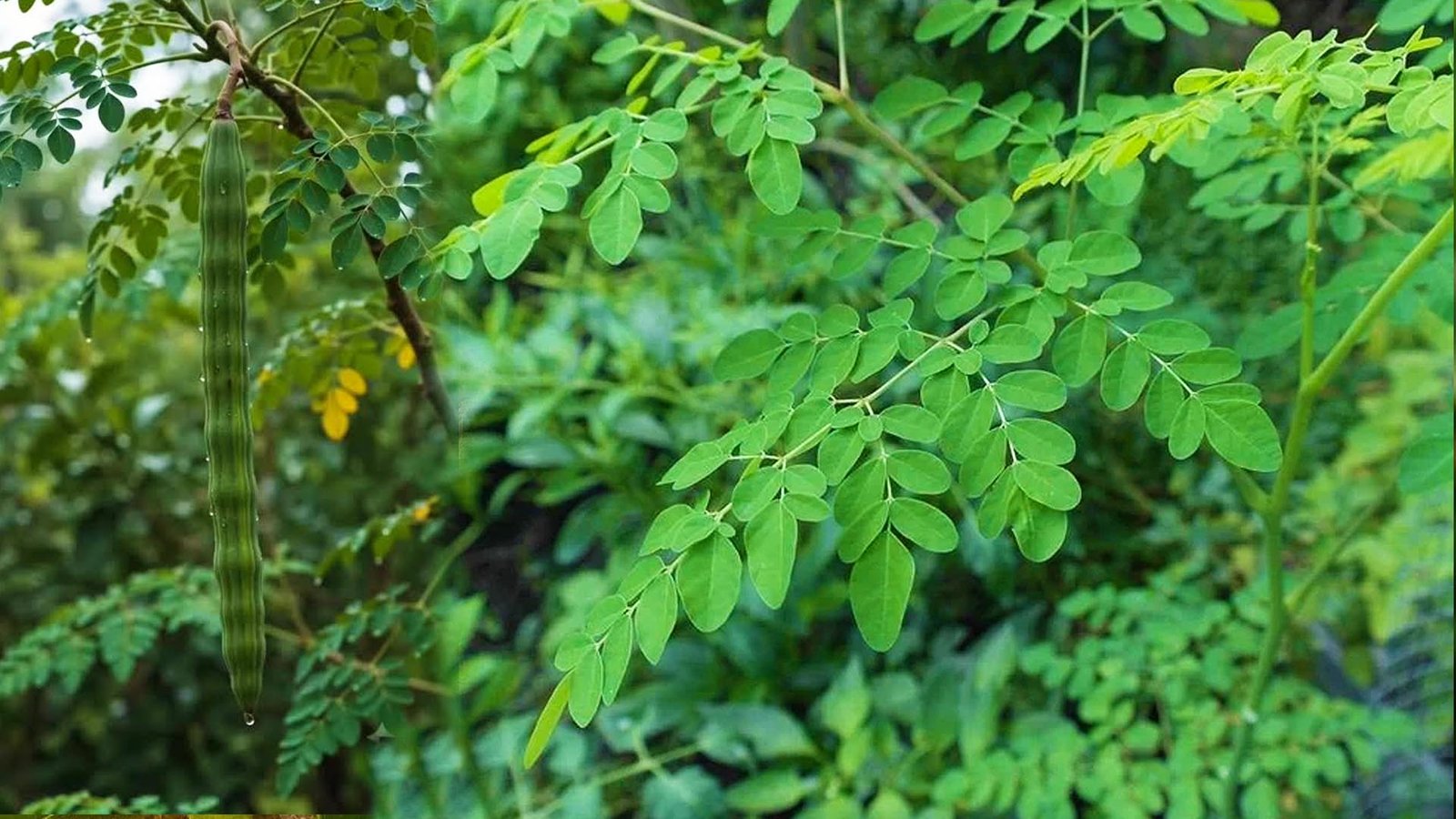
Muringai, or Drumstick Tree, is a nutritional marvel and potent Siddha herb, revered for its vast health benefits.
🌿 COSMO SIDDHA HERB LIBRARY
Muringai (முருங்கை)
The 'Miracle Tree' - a powerhouse of nutrition and traditional medicine.
Muringai (Moringa oleifera) is a fast-growing, drought-resistant tree native to the Indian subcontinent. Highly valued in Siddha medicine and global nutrition, every part of the plant offers immense health benefits.
Neem, Turmeric, Amla, Tulasi

🌱 What is Muringai?
Verify Muringai with these details. If you have an image, upload it for expert verification.
🌿 Muringai (முருங்கை)
Drumstick Tree, Moringa, Horseradish Tree (Moringa oleifera)
How to Identify Muringai
👁️ Appearance
Leaves: Leaves are light green, tripinnate (three times pinnate), with small, oval, finely textured leaflets. They grow alternately on the stem.
Stem: The stem has pale grey, corky bark, often with a slightly rough texture. The wood is soft and brittle. Branches are somewhat drooping.
Fruit/Flower: Fruits (pods) are long (20-90 cm), slender, triangular in cross-section, and green when young, turning brownish when mature.
🌱 Where Muringai Grows
Muringai is indigenous to India but is now widely cultivated across various tropical and subtropical regions globally due to its adaptability and numerous benefits.
- Indian subcontinent (India, Pakistan, Bangladesh)
- Southeast Asia (Philippines, Indonesia, Thailand)
- Africa (Nigeria, Ethiopia, Kenya)
- Caribbean and Latin America
⚠️ Do Not Confuse With
Muringai is quite distinctive. While other 'Moringa' species exist, M. oleifera is uniquely identified by its long, triangular pods and tripinnate leaves. It is not commonly confused with other unrelated herbs.
Muringai in Siddha Medicine
Traditional Reference Traditional Reference 🟤
Muringai is highly regarded in Siddha for balancing Vata and Kapha doshas. It's used as a potent immunomodulator, anti-inflammatory, blood purifier, and a source of vital nutrients to strengthen the body.
📖 Referenced in Siddha Texts
Meaning: Moringa leaves possess bitter, hot, and sour tastes. They alleviate Kapha and Vata doshas. They also increase urine output (diuretic property).
Associated Siddhar
Agathiyar
Agathiyar, one of the foremost Siddhas, is revered for his vast contributions to Siddha medicine, including the detailed documentation of various herbs like Muringai and their therapeutic uses for maintaining health and curing diseases.
Uses and Effects of Muringai
🌿 Traditional Uses
Traditional Use 🟤- Nutritional Supplement: Rich in vitamins, minerals, and amino acids, it's used to combat malnutrition and boost overall vitality.
- Anti-inflammatory: Applied externally as poultices or consumed internally for reducing inflammation, especially in joint pain and swellings.
- Digestive Aid: Helps improve digestion, alleviate constipation, and treat various gastrointestinal disorders.
- Blood Purifier: Believed to detoxify the blood and improve skin conditions like acne and boils.
- Galactagogue: Used to enhance breast milk production in nursing mothers.
- Anthelmintic: Traditionally used to expel intestinal worms.
🧬 Modern Research on Muringai
Research Evidence 🔵Contemporary scientific studies are increasingly validating many traditional claims about Muringai, highlighting its potent pharmacological properties.
- Antioxidant Properties: Studies confirm Muringai's rich antioxidant content (quercetin, chlorogenic acid, beta-carotene), which helps combat free radicals and oxidative stress.
- Anti-diabetic Effects: Research suggests Muringai can help lower blood sugar levels and improve insulin sensitivity, particularly beneficial for type 2 diabetes.
- Cholesterol Reduction: Evidence indicates Muringai's potential to reduce bad cholesterol (LDL) levels, promoting cardiovascular health.
- Anti-cancer Potential: Preliminary studies show Muringai extracts may inhibit the growth of certain cancer cells due to its cytotoxic and anti-proliferative compounds.
⚠️ Safety & Warnings
While Muringai is largely safe for consumption as food, its medicinal use requires caution. 'Natural' does not always equate to 'safe' for everyone.
Who Should Be Careful?
- Pregnant women: High doses, especially of root or bark extracts, might have abortifacient properties and should be avoided.
- Individuals on blood-thinning medications: Muringai may have anticoagulant effects.
- People with low blood pressure: It can lower blood pressure.
- Diabetics on medication: Monitor blood sugar closely as Muringai can also lower blood sugar, potentially leading to hypoglycemia.
Side Effects
Generally well-tolerated when consumed as food. High doses of root or bark extracts may cause uterine contractions. Excess consumption of leaves might lead to mild stomach upset or diarrhea in some individuals.
🌿 Quick Summary
📚 Sources
- Siddha Vaidya Thirattu (Siddha Traditional Text)
- Agathiyar Vaithiya Rathina Churukkam (Siddha Traditional Text)
- The Siddha Pharmacopoeia of India (SPPI)
- Journal of Ethnopharmacology
- Phytotherapy Research