


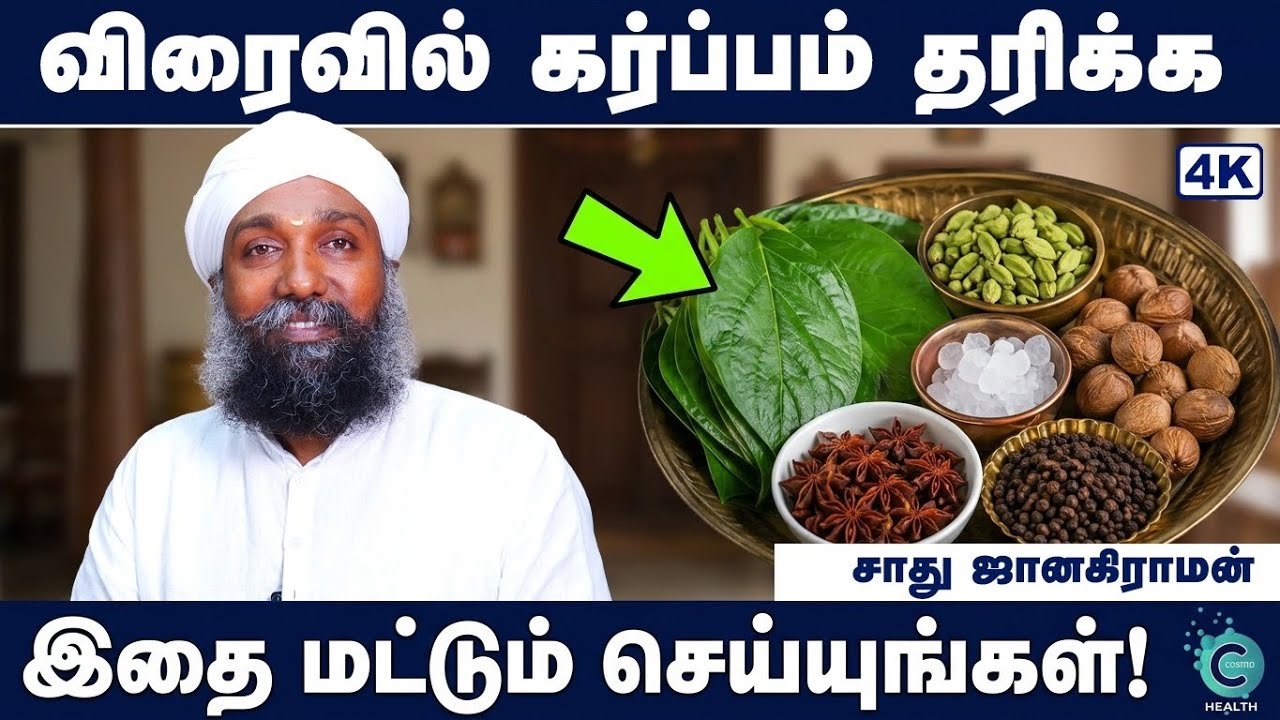
Our ancestors' secret to incredible health wasn't a magic pill; it was a daily ritual shrouded in mystery, misunderstood for ge...
The Whispers of a Vanished Tradition: Thamboolam Dharithal
Imagine a time when health was not a pursuit, but a way of life, woven into the fabric of daily rituals. Our grandmothers and grandfathers, with their robust teeth, unclouded vision, and nimble limbs, rarely knew the ailments that plague modern society. Their secret? A practice once as common as breathing: Thamboolam Dharithal, the traditional chewing of betel leaf with areca nut and slaked lime. It wasn't merely a habit; it was a profound aspect of their well-being, a medical science deeply embedded in their routine.
Journey back just a few decades, and you'd find our elders, sitting comfortably, perhaps with a traditional 'ulakkai' to pound areca nuts, their mouths stained a vibrant red. This image, far from being a sign of ill health, represented a sophisticated understanding of the body's needs. Back then, when a suitor was presented, his virtues might include, "He doesn't even chew betel!" – a testament to how misunderstood this practice became, pushing it into the shadows as something undesirable. We, in our modern wisdom, have largely abandoned it, viewing it with disdain, forgetting its true essence.
The Shadow of Misconception: How a Medicinal Practice Became a "Bad Habit"
So, what led to the decline of such a widespread and beneficial tradition? The answer lies in a critical misstep: the introduction of tobacco. When 'veppupogaila' – a form of tobacco – began to be added to the betel quid, Thamboolam Dharithal transformed from a health-promoting ritual into a harmful addiction. This unfortunate adulteration tainted its reputation, leading generations to discard it entirely, conflating the good with the bad.
Beyond tobacco, modern life presented practical challenges. In ancient villages, one could discreetly spit out the initial, essential saliva or use designated vessels. But in today's bustling metropolises, spitting becomes unhygienic and socially unacceptable, earning disapproving glances. These societal shifts, coupled with a general erosion of respect for traditional practices, have pushed Thamboolam Dharithal to the brink of oblivion. We've reached a point where anything traditional is often viewed as 'different' or 'backward,' rather than a potential treasure trove of wisdom.
Vallar Perumanar's Revelation: The Unveiling of Ancient Health Secrets
Yet, amidst this modern skepticism, a powerful voice from the past resonates: Vallar Perumanar. Few know that this revered saint, in his profound work 'Upadesa Paguthi' (A Discourse on Precepts), detailed the meticulous practice of Thamboolam Dharithal. He didn't just mention it; he prescribed it as a daily, essential ritual, outlining specific methods for its consumption – a testament to its deep medicinal value. "You wouldn't believe the health benefits," explains Sadhu Janakiraman from Vallalar Mission, Thiruvannamalai, emphasizing the incredible wisdom contained within Vallar's teachings.
Vallar's 'Nithiya Karmavathi' (Daily Routine) delineates every action from dawn to dusk. Intriguingly, before even brushing teeth or meditating, Vallar instructs on Thamboolam Dharithal. He recommends it three times a day, not as a casual chew, but as a precise, therapeutic process designed to optimize health and vitality. This isn't just about chewing leaves; it's about harnessing nature's pharmacy for holistic well-being.
The Sacred Timing: A Daily Prescription for Optimal Health
The wisdom of Thamboolam Dharithal, as taught by Vallar, is rooted in the careful balance of its components and the timing of its consumption:
- Morning Ritual: Upon waking, even before cleansing the mouth, the first Thamboolam should be consumed. The composition is crucial: more areca nut (kali paaku), with lesser betel leaf and slaked lime. The critical first step is to chew briefly and spit out the initial saliva. This 'vishabagam' (poisonous residue) is believed to purge toxins accumulated overnight. Only after this initial expulsion should one swallow the subsequent juices, eventually discarding the fibrous residue ('thippi').
- Afternoon Ritual: After a satisfying midday meal, Thamboolam serves as a potent digestive aid. Here, the emphasis shifts to more slaked lime, which assists in breaking down food. This mid-day ritual is further enhanced by the inclusion of 'Panchavasam' – a blend of five aromatic spices: cardamom (elaikai), cloves (lavangam), green camphor (pachai karpooram), nutmeg (jathikai), and mace (jathipathiri). Panchavasam not only imparts a delightful fragrance but also possesses digestive and refreshing properties, invigorating both body and mind. Again, the first saliva must be expelled.
- Evening Ritual: Post-dinner, as the body prepares for rest, the final Thamboolam of the day should contain a higher proportion of betel leaf. This helps in digestion and ensures a peaceful transition into sleep. As with the other two times, the initial saliva is to be spat out, followed by the consumption of the beneficial juices and discarding the 'thippi'.
Unveiling the Miracles: The Profound Health Benefits
The benefits of Thamboolam Dharithal, when practiced correctly and without tobacco, are astounding and multi-faceted, addressing many common ailments of our time:
- Digestive Powerhouse: Betel leaf (vetrilai) is a natural digestive agent, promoting healthy metabolism and preventing issues like indigestion and constipation. It aids in the efficient breakdown of food, ensuring proper nutrient absorption.
- Calcium Fortification: Slaked lime (sunnambu) is a readily bioavailable source of calcium. Our ancestors effectively consumed their daily calcium through this practice, strengthening bones and preventing the degenerative joint and spinal issues common today, especially in women post-menopause. This directly contributes to the robust skeletal health and excellent posture observed in previous generations.
- Blood Purification: The astringent quality of areca nut (paaku) acts as a blood purifier, cleansing the circulatory system and promoting healthy blood flow. This contributes to overall vitality and disease prevention.
- Combating Infertility: A surprising but significant benefit lies in addressing infertility. Proper digestion is the cornerstone of health, leading to the efficient formation of 'Saptadhaatu' – the seven bodily tissues. When digestion is impaired, the seventh dhatu, 'Shukla' (reproductive tissue), is not adequately formed. Thamboolam Dharithal, by enhancing digestion, directly supports reproductive health.
- Diabetes and Metabolic Health: By optimizing digestion and nutrient assimilation, this practice can significantly contribute to better blood sugar regulation, offering a traditional pathway to managing conditions like diabetes.
- Phlegm Prevention: Betel leaf is also known for its properties in preventing the accumulation of phlegm and supporting respiratory health.
The Art of Right Practice: Crucial Guidelines for Modern Seekers
Re-embracing Thamboolam Dharithal requires understanding its nuances and respecting its sacred rules. Sadhu Janakiraman offers vital advice for those wishing to explore this ancient path:
"Firstly, always use 'kali paaku' – the natural, unprocessed areca nut, not the flavored or packaged varieties. When beginning, start with a small amount of slaked lime, as too much can burn the tongue. Young, tender betel leaves are preferable. It's crucial to consistently spit out the very first surge of saliva, as it carries impurities. Only then should you chew and swallow the beneficial juices, eventually discarding the fibrous remnant."
A most important caveat: Thamboolam Dharithal is exclusively for those adhering to a **vegetarian (sattvic) diet**. Consuming it after non-vegetarian meals, especially rich dishes like biryani, negates its benefits and can even be counterproductive. The traditional understanding posits that the combination with certain foods can create 'vishabagam' (toxic compounds).
For beginners, the taste might be strong, or it might initially cause a sensation of constriction in the chest. Start gradually, perhaps once or twice a week after lunch, allowing your body to acclimate. Consulting with elders or experienced practitioners can provide invaluable guidance, ensuring the practice is adopted correctly and safely.
Reclaiming Our Heritage: A Path to Holistic Well-being
Thamboolam Dharithal is more than just chewing a leaf; it is a profound medical science, a lifestyle choice, and a powerful connection to our ancestral wisdom. In a world increasingly reliant on synthetic supplements for calcium, digestive aids, and remedies for lifestyle diseases, this ancient practice offers a holistic, natural alternative. Our ancestors, who could sit for hours in yoga postures without back pain, had unlocked the secrets to vitality that we are only now beginning to appreciate.
By understanding its true purpose, adhering to its specific guidelines, and detaching it from its unfortunate association with tobacco, we can rediscover a powerful tool for health and longevity. It's time to look beyond modern skepticism and open ourselves to the profound, simple wisdom that has sustained generations. Thamboolam Dharithal, correctly practiced, offers a vibrant pathway to robust health, echoing the timeless teachings of sages like Vallar Perumanar.