

Are those skin growths just a cosmetic bother, or do they whisper tales of deeper health secrets? Let's uncover the truth!
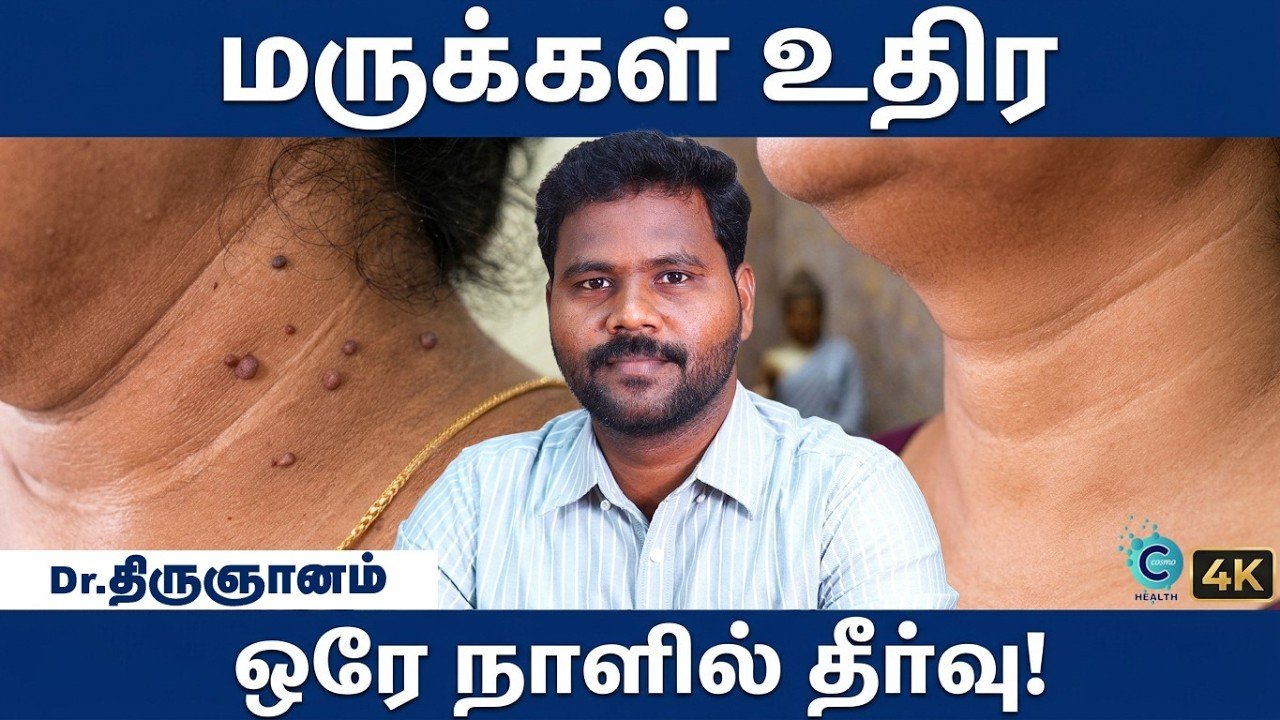
In the bustling symphony of daily life, we often overlook the subtle whispers our bodies send us. Minor blemishes, seemingly innocuous skin growths, can sometimes hold profound messages about our internal health. It’s a common misconception that all such growths are mere cosmetic annoyances, lumped together under a single umbrella term. But what if these tiny protrusions, often dismissed as "warts" or "moles," were distinct entities, each with its own story and, more importantly, its own health implications? Welcome to an enlightening discussion where we demystify the world of skin tags and warts, drawing upon the ancient wisdom of Siddha medicine with the esteemed Dr. Thirugnanam, a Siddha and Varma arts specialist, who graciously joins us from Cosmo Health to shed light on these often-misunderstood skin conditions.
The conversation immediately dives into a critical distinction: the difference between a 'skin tag' and a 'wart'. Dr. Thirugnanam clarifies that while many people use these terms interchangeably, they are fundamentally different. Skin tags, medically known as acrochordons, are small, soft, often flesh-colored or slightly darker growths that commonly appear in areas where skin rubs against skin or clothing. These are not merely random occurrences; they often serve as early indicators, particularly for individuals struggling with obesity or those experiencing issues with insulin secretion in their bodies.
The link between skin tags and metabolic health is particularly striking. Dr. Thirugnanam emphasizes that when an individual’s body struggles with proper insulin secretion or develops insulin resistance, especially in the early stages of diabetes or in long-term diabetic patients where insulin acts antagonistically, skin tags frequently emerge. They tend to form predominantly in areas with skin folds and higher fat accumulation, such as the neck, armpits, groin, and around the waist. These growths are typically soft, flexible, and usually painless, distinguishing them from their harder counterparts. Observing these developments, especially around the neck or armpits accompanied by darkening of the skin, can be a crucial early warning sign of impending or existing insulin dysregulation and potential diabetes.
Warts, on the other hand, represent a completely different category of skin growth. Unlike the metabolic roots of skin tags, warts are primarily a response to external factors or infections. Dr. Thirugnanam explains that a common wart often develops as a result of repeated friction or minor trauma to a specific area of the skin. Imagine constant rubbing from footwear or clothing – such sustained irritation can trigger the formation of these growths. However, a far more significant cause, and one that often causes confusion, is viral infection. These are known as human papillomavirus (HPV) warts, and they can manifest anywhere on the body.
The human papillomavirus (HPV) is a prevalent culprit behind many wart types, and its implications extend beyond mere cosmetic concern. Dr. Thirugnanam highlights that HPV warts can affect anyone, appearing on hands, feet, face, or even in sensitive areas like the genital region. This widespread potential for infection is precisely why governments worldwide advocate for the HPV vaccine, particularly for children, to prevent its transmission and the development of related health issues. A critical distinction with viral warts is their potential for rapid spread if they are damaged or irritated, making identification and appropriate management paramount.
Adding another layer of complexity, Dr. Thirugnanam issues a stern warning: some skin cancers can deceptively resemble warts. He specifically mentions Squamous Cell Carcinoma, which might initially appear as a harmless wart. If such a lesion persists in one location for an extended period and is subjected to repeated damage or irritation, it could potentially turn malignant or exacerbate an existing cancerous condition. This stark reality underscores the immense importance of accurate diagnosis and never underestimating any persistent or unusual skin growth as merely a benign blemish.
Given these diverse origins and potential implications, the doctor strongly reiterates the non-negotiable need for precise identification. Is it a harmless skin tag, a common friction-induced wart, a viral HPV wart, or a potentially cancerous lesion? Distinguishing between these demands a keen professional eye. Dermatologists and Siddha practitioners rely on the basic morphology – the appearance, structure, and mode of spread – along with patient history to make an accurate diagnosis. For instance, a common wart from friction will have a distinct appearance compared to a viral wart or the subtle, mobile nature of a skin tag in a skin fold. The visual cues, combined with clinical questioning about lifestyle and health, paint the full diagnostic picture.
Prevention, as always, is better than cure, and Dr. Thirugnanam offers invaluable advice for both skin tags and warts. For those observing darkness in their armpits or around the neck – a common precursor to skin tags – the primary focus should be on lifestyle modifications. This involves a concerted effort to reduce body weight, strictly monitor and cut down on sugar intake, and significantly increase physical activity. Addressing the root cause of insulin imbalance and obesity will naturally curtail the development of new skin tags. When it comes to warts, particularly those caused by friction, maintaining skin moisture plays a surprisingly vital role. Simple remedies like regular application of coconut oil or a good moisturizer to areas prone to dryness and friction can prevent the skin damage that often leads to wart formation.
When prevention isn't enough, or for existing growths, Siddha medicine offers powerful solutions, particularly in the form of 'Kāra Marundhugal' – caustic solutions. These specialized herbal preparations are meticulously applied directly onto the skin tag or wart. Their mechanism is quite fascinating: they work by constricting the blood flow to the growth, causing the cells to shrink and the tag or wart to naturally fall off. Dr. Thirugnanam emphasizes that this approach is particularly effective for common warts and skin tags. While modern medicine often employs laser removal for such growths, and rudimentary practices like burning with incense sticks were once common in rural areas (though highly unhygienic and risky), Siddha’s Kāra Marundhugal provide a targeted and controlled method of removal.
However, Dr. Thirugnanam strongly cautions against self-application of Kāra Marundhugal. These are potent substances, and indiscriminate use by the public can lead to severe damage to the healthy skin surrounding the growth, potentially causing painful wounds and scarring. Therefore, it is absolutely imperative that these treatments are administered solely under the direct supervision of a qualified Siddha doctor. The procedure typically involves daily application by the physician, who carefully isolates the growth to protect adjacent healthy skin. Within five to ten days, the treated wart or skin tag usually dries up and falls off. A comforting assurance is that for common warts, these treatments typically leave no scars, unlike some other methods. However, if the growth reappears, it often signals an underlying issue such as a viral infection, reiterating the importance of accurate initial diagnosis.
Dietary habits also play a significant role, particularly concerning skin tags. Excessive consumption of sweet foods can act as a trigger, contributing to the development of skin tags by exacerbating insulin issues. While not directly linked to common warts, managing sugar intake is a crucial preventive measure for those prone to skin tags. By reducing extreme sweetness in the diet, individuals can significantly mitigate the risk of developing these markers of metabolic imbalance. This holistic view of diet, lifestyle, and external application showcases the comprehensive approach of Siddha medicine to skin health.
To wrap up the distinction, Dr. Thirugnanam offers a simple guide: a wart (மரு) is typically a hardened, extra projection, roundish and firm to the touch, and may cause pain if irritated. A skin tag (ஸ்கின் டேக்), conversely, is thin, soft, flexible, often the same color as your skin or slightly brownish, and usually painless. These differences, though subtle, are vital clues. What may appear to be a mere superficial flaw could, in reality, be a crucial messenger from your body, urging you to pay closer attention to your internal health. Dr. Thirugnanam’s insights have transformed our understanding of these common skin growths, elevating them from mere cosmetic concerns to significant health indicators, especially concerning diabetes. His deep dive into Siddha remedies and preventive measures provides a comprehensive guide for navigating the complex world of skin health. We extend our heartfelt gratitude to Dr. Thirugnanam for this incredibly informative session.