


Vallarai (Gotu Kola) is a revered Siddha herb for boosting memory, healing skin, and promoting overall longevity and well-being.
🌿 COSMO SIDDHA HERB LIBRARY
Vallarai
Unlock Your Mind's Potential, Embrace Youthful Vitality.
Vallarai, scientifically known as Centella asiatica, is a highly esteemed medicinal herb in Siddha medicine. Renowned for its remarkable cognitive-enhancing properties, profound skin-healing abilities, and its role in promoting longevity and vitality, it is a cornerstone in traditional remedies.
Keezhanelli, Adhimadhuram, Thoothuvalai
🌱 Unveiling Vallarai: The Herb of Longevity
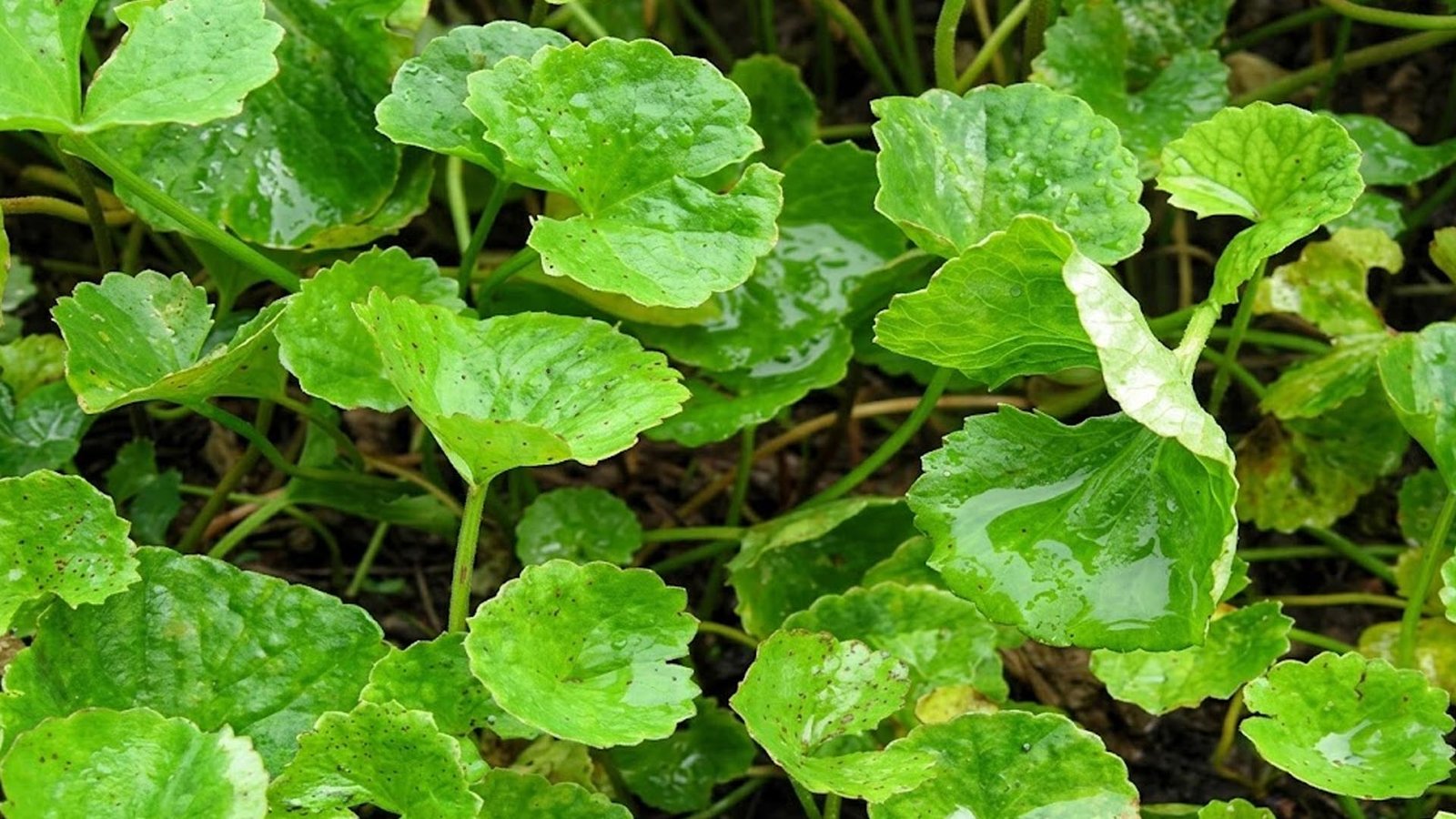
To verify, look for its distinctive kidney-shaped leaves and its preference for moist, shaded growing environments. The leaf veins are palmate.
🌿 Vallarai
Indian Pennywort, Gotu Kola (Centella asiatica)
Identifying Vallarai: A Closer Look
👁️ Distinctive Features
Leaves: Small, round to kidney-shaped (reniform) with crenate (scalloped) or wavy margins. They are bright green, smooth, and arise from long petioles at the nodes of the stolons, exhibiting palmate venation.
Stem: Slender, creeping stolons (runners) that root readily at the nodes, forming a dense mat. The stems are typically light green to reddish-green and hairless.
Fruit/Flower: Small, flattened, ovate to orbicular schizocarp (a dry fruit that splits into separate one-seeded carpels). The surface is reticulate (netted) and contains two seeds.
🌱 Natural Habitat and Distribution
Vallarai thrives in specific environmental conditions, often indicating fertile, moist land. Its presence is common across various tropical and subtropical regions.
- Paddy fields and agricultural lands
- Banks of rivers, streams, and canals
- Wetlands, marshes, and damp meadows
- Shaded and moist areas in gardens and forests
⚠️ Distinguishing Vallarai
Vallarai can sometimes be confused with other small, round-leaved creeping plants like Hydrocotyle species. Key differentiating features include Vallarai's distinct kidney-shaped leaves with an open sinus at the petiole attachment, prominent palmate veins, and the characteristic stoloniferous growth that roots at the nodes.
Vallarai in Siddha Tradition
Traditional Reference Traditional Reference 🟤
Vallarai is profoundly esteemed in Siddha for its Medhya Rasayana (brain-tonic), Nadi Rasayana (nervine tonic), and Kaya Karpam (rejuvenative) properties. It is known to balance all three humors (Vata, Pitta, and Kapha), particularly pacifying Pitta and Kapha, thereby promoting mental clarity, memory, and skin health. It's considered a prime herb for fostering longevity and youthful vigor.
📖 Mentions in Ancient Texts
Meaning: Those who consume Vallarai become soft (youthful) and those who consume Vallarai are like those who consume stone (strong and firm). This proverb highlights its exceptional rejuvenating and strengthening attributes, suggesting both physical and mental resilience.
Prominent Siddhar Connection
Agathiyar, Theraiyar, Bogar
Siddhar Agathiyar, Theraiyar, and Bogar, among other great Siddhas, extensively documented the therapeutic uses of Vallarai. They highlighted its efficacy for cognitive enhancement, spiritual growth, and as a potent Kaya Karpam (rejuvenative medicine) in their vast literary works and medical treatises.
Therapeutic Applications
🌿 Time-Honored Applications
Traditional Use 🟤- Memory and Cognitive Function: Enhances memory, concentration, learning ability, and overall cognitive function. Often used to improve intellect and clarity of thought.
- Skin Disorders and Wound Healing: Highly effective in treating wounds, ulcers, burns, leprosy, psoriasis, eczema, and other skin ailments. Promotes rapid healing and reduces scar formation.
- Nervous System Support: Acts as a nervine tonic, calming the nerves, reducing anxiety, alleviating stress, and improving sleep quality. Beneficial for nervous debility.
- Rejuvenation and Longevity: Considered a powerful 'Kaya Karpam' (rejuvenative), promoting longevity, improving vitality, and acting as a general body tonic and anti-aging agent.
- Digestive Health: Aids in improving digestion, treating dysentery, stomach ailments, and addressing issues related to the gastrointestinal tract.
🧬 Contemporary Scientific Validation
Research Evidence 🔵Modern scientific studies continue to validate the profound traditional claims of Vallarai, unraveling its biochemical mechanisms and confirming its pharmacological activities through in-vitro, in-vivo, and clinical trials.
- Neuroprotective and Cognitive Enhancement: Studies have shown that triterpenes like asiaticoside, madecassoside, and asiatic acid, key compounds in Vallarai, improve memory retention, enhance cerebral blood circulation, protect against neurodegeneration, and exhibit anxiolytic effects.
- Accelerated Wound Healing: Research confirms its ability to accelerate wound contraction, promote collagen synthesis, improve tensile strength of healing skin, and reduce scar tissue formation, attributing to its triterpene content.
- Anti-inflammatory and Antioxidant Properties: Contains potent anti-inflammatory and antioxidant compounds that combat oxidative stress and inflammation, beneficial for various inflammatory conditions and overall cellular health.
- Anxiolytic and Antidepressant Activity: Clinical and animal studies suggest Vallarai's extracts reduce anxiety and stress levels, improve mood, and can have antidepressant-like effects without significant sedative side effects at therapeutic doses.
⚠️ Important Safety Information
While Vallarai is generally considered safe when used appropriately and in recommended doses, its potent actions necessitate careful consideration and professional guidance.
Precautions and Contraindications
- Pregnancy and Breastfeeding: Avoid use due to a lack of sufficient safety data. Always consult a doctor.
- Liver Conditions: Use with caution in individuals with pre-existing liver disease as high doses may rarely cause mild liver enzyme elevation.
- Surgery: Discontinue Vallarai use at least two weeks before any scheduled surgery due to potential effects on the central nervous system and coagulation.
- Drug Interactions: May interact with sedative medications, cholesterol-lowering drugs, and blood thinners. Consult your physician if on these medications.
Potential Adverse Reactions
Vallarai is generally well-tolerated. Rare side effects may include mild stomach upset, nausea, photosensitivity (increased sensitivity to sunlight), or occasional drowsiness, especially with high doses. Topical application may rarely cause skin irritation in sensitive individuals.
🌿 Vallarai at a Glance
📚 References
- Siddha Pharmacopoeia of India (First Edition)
- Traditional Siddha medical texts and treatises (e.g., Agathiyar Vaidya Kandam, Theraiyar Maha Karisal)
- Ethnobotanical surveys and documented traditional knowledge of Siddha practitioners
- Peer-reviewed scientific articles and journals on Centella asiatica pharmacology and clinical studies