



Company


Contact Us
+91 8448 179 777
contact@cosmohealth.in
Chennai, India
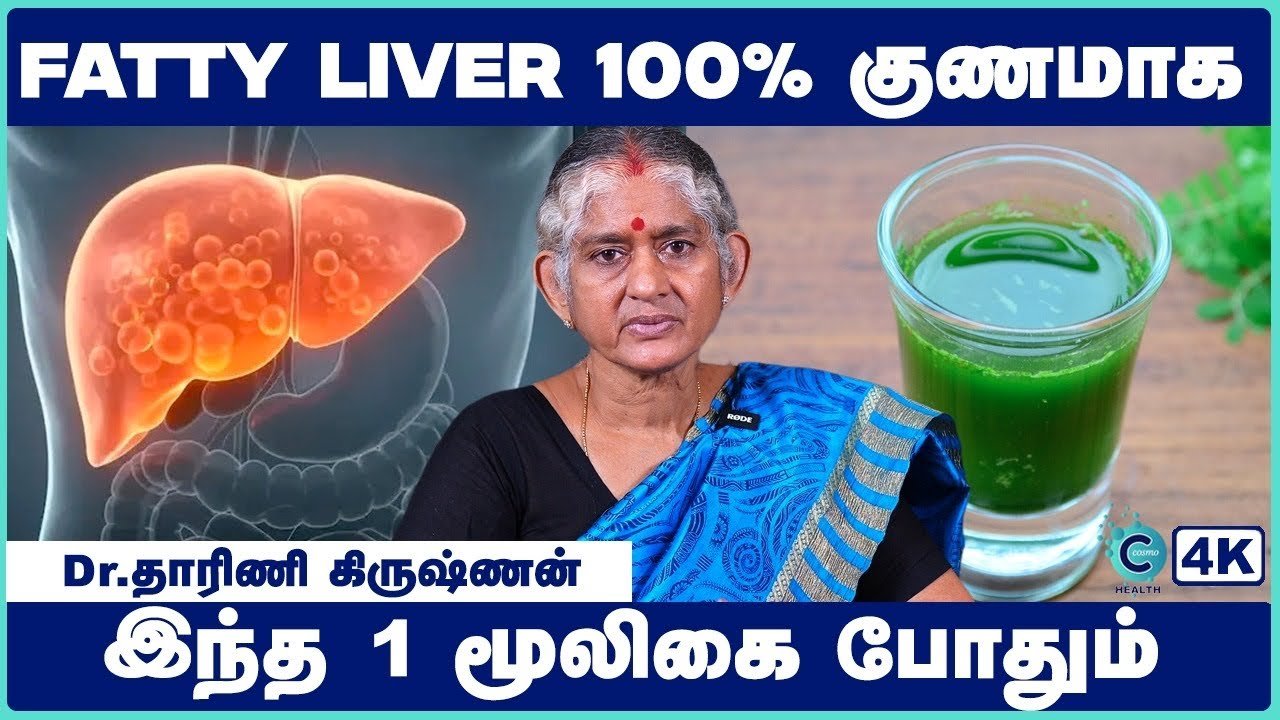
Fatty liver is silently affecting millions, but understanding its true causes and how to reverse it can transform your health j...
Imagine a silent epidemic sweeping across the globe, touching millions without a whisper of pain or a tell-tale symptom. This is the reality of Fatty Liver Disease, an insidious condition affecting a staggering 30 to 40% of the population. Many believe it’s a problem that announces itself with discomfort, but the truth is, this silent infiltrator often goes unnoticed until a diagnostic test, like an ultrasound, brings it to light. It’s categorized into stages, from Stage 1 to a critical Stage 4, where the liver's function is severely compromised. Yet, there’s a beacon of hope: this condition is remarkably reversible, especially when detected in its earlier stages, and even advanced stages can see significant improvement with dedicated effort.
At its core, fatty liver is a lifestyle disease, a direct consequence of the choices we make daily. It's not just about visible weight; while being overweight or obese significantly increases your risk, a startling revelation for many is the existence of 'skinny' fatty liver. This means even individuals within a healthy weight range can fall prey to this condition if their lifestyle choices are detrimental to liver health. The liver, a marvel of biological engineering, struggles when its cells become clogged with fat, impeding its vital functions and signaling a call for urgent intervention.
One of the most persistent myths surrounding fatty liver disease is its exclusive link to the consumption of red meats like mutton and chicken. While these can contribute when consumed in excess or fried, they are far from the sole culprits. The real danger often lurks in the most unexpected corners of our diet. Could your daily biscuit habit be fueling this silent disease? Absolutely. Many everyday, seemingly innocent foods, often processed and laden with hidden ingredients, play a far more significant role in the development of fatty liver than commonly perceived. It's time to look beyond the obvious and understand the true dietary adversaries.
Our diet comprises three macronutrients: carbohydrates, proteins, and fats. While all are essential, an imbalance, particularly an excess of certain fats and refined carbohydrates, is a direct pathway to fatty liver. Consider refined flours like maida, cornflour, and the ubiquitous sugar. These are rapidly absorbed, leading to spikes in blood sugar that challenge the liver, which then converts this excess energy into fat. This fat doesn't just sit idly; it accumulates within the liver cells, gradually impairing their function.
The modern diet, unfortunately, is rife with such hidden dangers. Think of your favorite French fries, dripping with excessive oil. Or pizzas and burgers, often made with refined flours and generously topped with highly processed cheeses. These cheeses, unlike their healthier counterparts, are engineered to be soft and palatable, often by increasing fat content while diminishing protein, all while being loaded with excessive salt. This combination creates a perfect storm for liver distress.
Even quick-fix meals like instant noodles and pasta, mainstays for busy individuals, are often crafted from maida. Frequent consumption means a constant influx of refined carbohydrates, leading to a caloric surplus. When we consume more calories than our body needs, this excess energy is efficiently converted into fat, with a significant portion finding its way to the liver, turning it into a 'fatty' organ.
Beyond these, some traditional non-vegetarian choices like beef and pork, especially when consumed in large quantities, contribute significantly due to their higher fat content. And then there are the beloved deep-fried delights that are staples in many cultures: the crispy vada, the puffy bajji, the savory bonda, and the ubiquitous poori and bhatura. Perhaps the most illustrative example of dietary transgression is the layered parotta or puff. These flaky, melt-in-your-mouth textures are achieved by layering maida with hydrogenated oils like vanaspati, creating a potent concoction that directly assaults liver health. Each delectable, flaky bite is a step towards liver dysfunction, a testament to how seemingly delicious foods can pose the greatest threat.
The journey to a healthy liver involves a harmonious blend of modern nutritional science and ancient traditional wisdom. It's a comprehensive strategy, not a quick fix, focusing on sustainable changes for long-term wellness.
The first step in reclaiming liver health through modern nutrition is to dramatically cut down on fried foods and excessive oil. This means retraining our palate and cooking habits. Embrace a diet rich in whole foods, prioritizing a generous intake of vegetables – aiming for at least 1.5 to 2 cups per meal. Swap out refined white rice for healthier whole grain alternatives like millets, which offer more fiber and a slower release of energy. Proteins are crucial for liver repair and regeneration, so incorporate plenty of lentils, sprouted grains like moth beans, chickpeas, and rajma into your diet.
For non-vegetarians, lean protein sources such as eggs, fish, and chicken are excellent, but the method of preparation is key: always opt for curried forms rather than fried. Even your daily oil intake needs moderation; a strict limit of three teaspoons per day is recommended. This could be a balanced mix of traditional sesame oil, groundnut oil, and a touch of ghee, each offering unique health benefits when used judiciously.
Alongside modern dietary practices, ancient remedies offer profound support for liver health. Keelanelli, or Phyllanthus niruri, stands out as a powerful herb, traditionally revered for its efficacy in treating jaundice and promoting overall liver wellness. This unassuming plant can be consumed in various forms: as a fresh juice, incorporated into a savory 'thogayal' (chutney), or even blended into dosa batter. Its hepatoprotective properties are well-documented, making it a valuable ally in your liver health journey.
Beyond specific herbs, simple digestive aids like cumin water (jeera pani) can also significantly enhance liver function by improving digestion. The logic is simple: a well-functioning digestive system reduces the burden on the liver, allowing it to focus on its other critical roles in detoxification and metabolism.
Achieving optimal liver health extends beyond just diet; it encompasses a holistic approach to lifestyle. Regular physical exercise is non-negotiable, as it helps in weight management, improves insulin sensitivity, and reduces fat accumulation. Equally important is adherence to a healthy sleep schedule, ideally from 10 PM to 6 AM, allowing the body ample time for repair and regeneration.
Your daily diet should be a vibrant tapestry woven from five essential food groups: plenty of vegetables, a variety of fruits (consumed in the morning, mid-morning, or late afternoon), dairy products, diverse grains (from rice to nutrient-rich millets), and adequate protein from pulses or lean non-vegetarian sources. The key is to ensure all five are regularly incorporated. When constructing your plate, envision it as a balanced masterpiece: a quarter dedicated to millets or whole grains, a cup for protein-rich sambar or dal, and a generous two cups reserved for vegetables. If consuming a full plate of vegetables seems daunting, transform them into a wholesome soup or enjoy them raw as a crisp salad of cucumber, tomato, and carrot.
Another delightful and healthy way to consume vegetables is sautéed. With just half a teaspoon of oil, lightly toss a colorful medley of capsicum, broccoli, carrots, peas, and cauliflower. Season with a pinch of salt, a dash of pepper, and a sprinkle of cumin. This simple preparation method not only preserves nutrients but also highlights the incredible benefits of spices like pepper and cumin, which are renowned for improving digestion and supporting liver function. Remember, the liver is the central command of our health, and keeping it robust is paramount.
Your liver is the quiet orchestrator of your body's health, controlling countless vital processes. Therefore, maintaining its well-being is not just important; it's absolutely crucial. The good news is that detecting fatty liver can be as simple as an ultrasound scan. The smarter approach, however, is not to wait for symptoms or even a diagnosis, but to proactively adopt a lifestyle that prevents its onset altogether. Allowing fatty liver to progress to advanced stages, like Stage 4, can lead to severe health complications and a much harder battle to reverse.
But with awareness and consistent effort, fatty liver disease can be prevented, managed, and significantly reversed. By consciously choosing whole, unprocessed foods, moderating fat and refined carbohydrate intake, incorporating traditional liver-supporting herbs like Keelanelli, and maintaining a disciplined regimen of exercise and sleep, you empower your body to heal. It's a journey of mindful living, a commitment to nourishing your liver, and ultimately, a path to a healthier, more vibrant you.