


Unlock the secrets to a healthier heart and longer life by understanding and managing hypertension before it takes a devastatin...
The Invisible Threat: Understanding Hypertension's Reach
Imagine a silent enemy, lurking within, often without a whisper of its presence until its damage is undeniable. This is hypertension, or high blood pressure – a condition that can stealthily wreak havoc on your body, threatening your heart, kidneys, and overall well-being. But what if you could unmask this silent killer and reclaim control of your health? Join us on a comprehensive journey to understand who is at risk, why managing blood pressure is paramount, and how a low-sodium diet, coupled with smart lifestyle choices, can be your most potent weapon.
Who is Walking the High-Pressure Path?
The face of hypertension is far more diverse than many imagine. It's not just an ailment of the elderly; increasingly, it's impacting younger generations. Consider the alarming trend of children as young as ten years old weighing 80 kilograms – a clear indicator of lifestyle shifts pushing them towards blood pressure issues by their early teens. Family history also plays a significant role; if hypertension runs in your bloodline, proactive checks from as early as 18-19 years old are critical. Early detection is not about fear, but about empowerment.
Beyond genetics and weight, our modern, fast-paced lives introduce another major culprit: stress. Who experiences a stressful life? Think of night-shift workers whose circadian rhythms are constantly disrupted, or individuals battling chronic mental and emotional pressures. The body is not designed for continuous high-alert states, and this perpetual stress can elevate blood pressure to dangerous levels. Recognizing these risk factors is the first step towards prevention and control.
The Dire Consequences of Letting Blood Pressure Run Wild
Why is maintaining healthy blood pressure (ideally below 120/80 mmHg for younger adults, with slight variations acceptable above 60 years old) so crucial? Because uncontrolled hypertension is a ticking time bomb for some of your most vital organs. Your heart, particularly the left ventricle – the powerful chamber responsible for pumping oxygenated blood throughout your entire body via the aorta – can be severely affected. When blood pressure remains high, this ventricle is forced to work overtime, thickening and weakening over time, making it less efficient at its life-sustaining task. This can lead to serious heart disease, compromising the very engine of your existence.
Even more insidious, perhaps, is the damage hypertension inflicts on your kidneys. Many mistakenly associate kidney problems only with diabetes, but high blood pressure is an equally potent destroyer. When blood pressure is persistently elevated, the tiny blood vessels in your kidneys, responsible for filtering waste, become damaged. This can lead to progressive kidney disease, culminating in the harrowing need for dialysis – a life-altering treatment – sometimes as early as your 30s. Imagine a 32-year-old being told they need lifelong dialysis because they ignored their doctor's advice about blood pressure medication. This isn't a hypothetical horror story; it's a stark reality for many.
“Ignoring prescribed medication for hypertension, especially when young, is a perilous gamble. It’s not about finding a temporary fix, but about embracing a lifelong commitment to health to prevent irreversible organ damage.”
The Power on Your Plate: Mastering Low-Sodium Living
So, how do we rein in this formidable foe? The journey begins with what we put into our bodies. A cornerstone of hypertension management is a conscious reduction in sodium intake. This isn't just about the salt shaker on your dining table; it's about understanding the ubiquitous presence of sodium in our modern diet.
Unmasking Hidden Sodium Sources
Sodium is a master of disguise. While table salt is an obvious source, many processed foods are loaded with it. Think of taste enhancers in packaged snacks, or the sodium bicarbonate (baking soda) found in many bakery products. Even in seemingly innocent dishes, like rice, some establishments add soda to make it cook faster, inadvertently increasing its sodium content. Processed, pre-packaged meals are particularly notorious, often containing exorbitant amounts of sodium that are rarely apparent without careful label scrutiny.
Practical Steps to a Low-Sodium Kitchen
The good news is that you have immense control over your sodium intake, especially when cooking at home. Start by reducing the salt you add to your sambar, rasam, or poriyal by half. Make it a habit to remove the salt shaker from your table, eliminating the temptation for extra sprinkles. Deep-fried items like appalams, vathals, and vadagams, while delicious, are sodium powerhouses and should be relegated to occasional treats, not daily staples. When eating out, opt for plain salads where you can control the seasoning, allowing the sodium from other parts of your meal to suffice.
For packaged foods that require only water and heating, recognize them for what they are: convenient, but often sodium-laden choices. Limiting these to once a month, or avoiding them altogether, is a far better choice for your long-term cardiovascular health than making them regular fixtures in your diet.
Beyond the Plate: A Holistic Strategy for Control
While diet is critical, managing hypertension requires a multifaceted approach. If your doctor has prescribed medication, adherence is non-negotiable. Many young adults mistakenly believe they can forgo medication due to their age, planning to rely solely on lifestyle changes. However, consistency in such changes often falters, leading to uncontrolled blood pressure and severe complications. Medication, when prescribed, is a vital tool to keep your numbers in check, often for life – but controlling the condition is the ultimate goal, not just avoiding a pill.
Lifestyle Pillars for Pressure Management
- De-stress and Sleep: Actively engage in stress-reduction techniques. Ensure adequate, quality sleep to allow your body to reset and regulate blood pressure.
- Maintain a Healthy Weight: Regular exercise is not just for weight loss; it's a powerful de-stressor and directly contributes to lowering blood pressure. Aim to keep your weight within a healthy range.
- Smart Fat Choices: Be mindful of fatty foods. While a plantain stir-fry offers healthy calories, frying it with excessive oil or turning it into chips dramatically increases caloric and fat content, contributing to weight gain and subsequently, higher blood pressure. Reduce the amount of oil used in home cooking and limit outside foods rich in unhealthy fats.
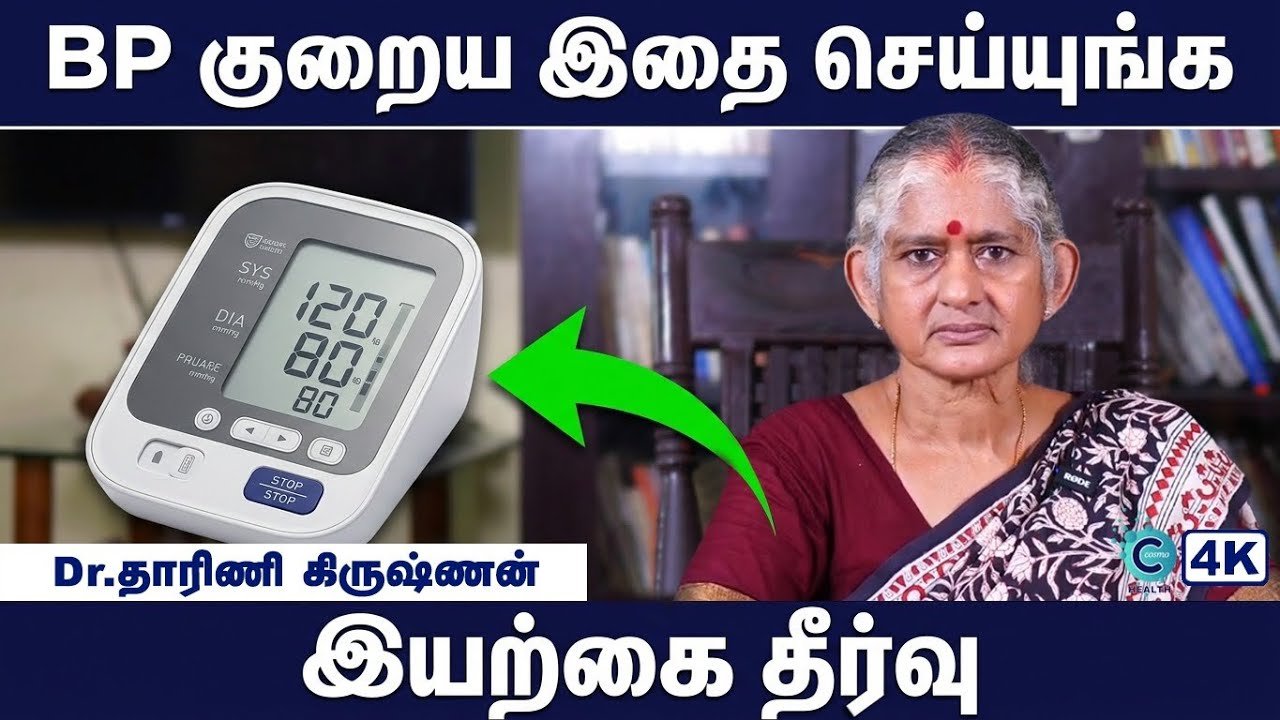
- Home Monitoring: Modern blood pressure monitors are readily available and user-friendly. Invest in one and regularly check your blood pressure at home – perhaps once or twice a week, at different times of the day – to keep track of your numbers and understand what affects them. While some smartwatches offer BP monitoring, focus on the actionable insights rather than becoming overly stressed by the readings.
Your Path to a Controlled Future
Hypertension need not be a life sentence of fear. By understanding its origins, committing to prescribed medication when necessary, embracing a low-sodium, balanced diet, and integrating regular exercise and stress management into your life, you empower yourself. You prevent heart disease, safeguard your kidneys, and pave the way for a vibrant, healthier future. Don't let the silent killer win; take charge of your blood pressure today.