


Are your health gadgets and routines actually making you sicker? Discover why true wellness transcends digital metrics and how ...
The Double-Edged Sword of Smartwatches: Are We Over-Monitoring Our Way to Stress?
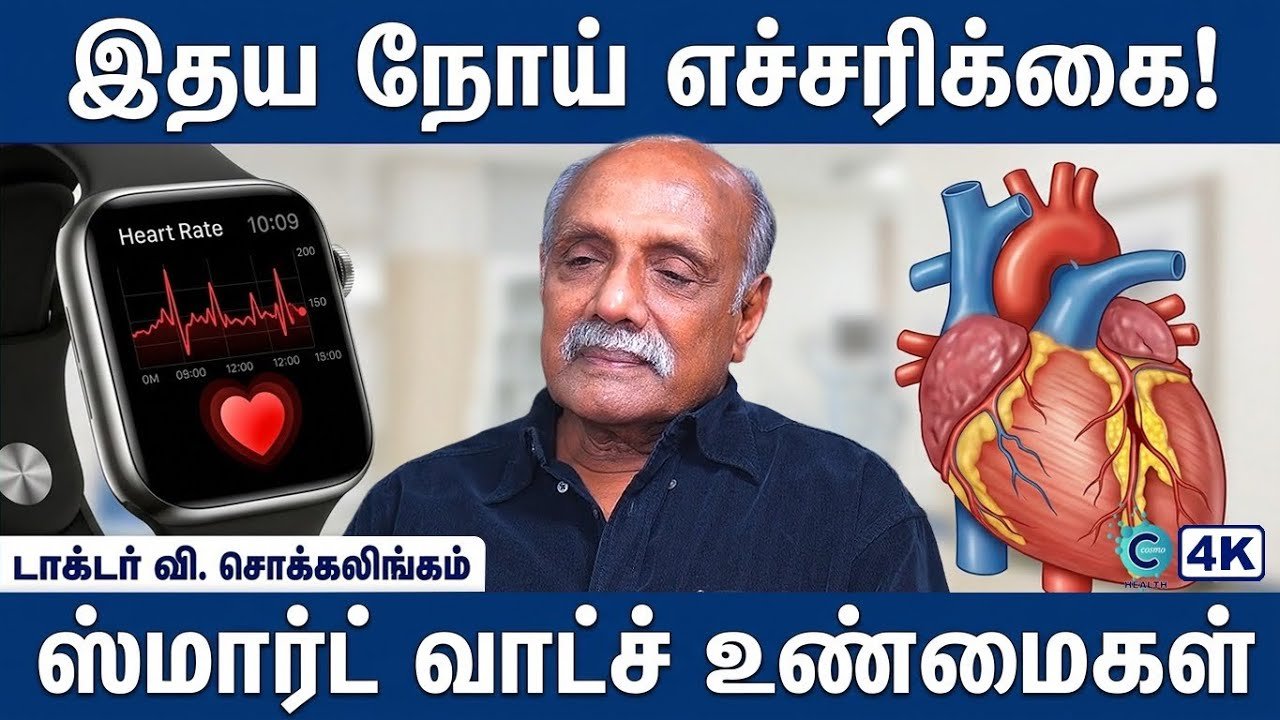
In our hyper-connected world, smartwatches have become ubiquitous, adorning the wrists of millions seeking to quantify their health journey. From tracking steps to monitoring heart rates, these devices promise a window into our physical well-being. However, as esteemed cardiologist Professor Dr. Sokkalingam poignantly reveals, this technological marvel often becomes a source of profound mental anguish, rather than a tool for genuine health improvement.
Dr. Sokkalingam, a beacon of wisdom in cardiac care, cautions against the psychological toll these devices can inflict. Imagine striving for that coveted 10,000-step goal, only to fall short by a mere hundred steps. For many, this isn't just a minor numerical discrepancy; it spirals into an all-consuming tension. "That alone is tension," he states, highlighting how this self-imposed pressure can ironically trigger the very health issues we seek to avoid. The constant monitoring of heart rate, while seemingly beneficial, can lead to anxiety with every slight fluctuation. A pulse rate that deviates even slightly from an imagined 'ideal' can send individuals into a panic, escalating stress levels that are far more detrimental than a fluctuating number.
The crucial distinction, as Dr. Sokkalingam emphasizes, is that while a smartwatch might display your heart rate, it possesses no predictive power for an impending heart attack. It's a monitor, not a seer. While it can show a sudden arrest – a flatline indicating a critical event – its primary function is data display, not prognostic insight. This over-reliance on external metrics for internal well-being can detract from the intuitive understanding of our own bodies, replacing it with a data-driven obsession that often misses the forest for the trees.
Exercise: More Than Just Movement – The Mind-Body Connection
Exercise, undeniably, is a cornerstone of a healthy life. Humans are designed to be kinetic, to move, to engage our muscles and stimulate our peripheral arteries. Whether it’s walking, swimming, or cycling, consistent physical activity boosts endorphins – our body’s natural painkillers and mood elevators – fostering a sense of joy and vitality. Yet, even in this pursuit of wellness, common pitfalls abound, often turning a beneficial activity into a source of stress or even physical harm.
Consider the seemingly innocuous act of walking. It should be a meditative, personal journey. However, Dr. Sokkalingam observes a concerning trend: many couples or groups transform their walks into heated discussions, an extension of daily stress. "If two or three people, a husband and wife, go for a walk and turn it into a heated discussion, one of them might suffer an attack," he warns. Walking, he insists, must be solely for walking – a dedicated time for physical movement and mental tranquility, untainted by the burdens of discussion or the pressure to achieve arbitrary weight loss or cholesterol goals.
The gym environment, too, presents its own set of challenges. The rigid schedules, the pressure to make up for lost time, and the tendency to overexert can all contribute to mental tension. Dr. Sokkalingam highlights the alarming rise in reports of seemingly fit individuals, avid gym-goers, collapsing from cardiac arrest. He attributes this not to a lack of physical fitness or muscle development, but to an underlying internal tension that manifests despite a healthy outward appearance. "What can be done if the inner mind is tense?" he asks, pointing to the often-overlooked psychological aspect of physical health.
One specific piece of gym equipment often misused is the treadmill. While beneficial when used correctly, the trend of setting high speeds and steep inclines is leading to a silent epidemic of joint issues. Scientific research has shown that within a few years, particularly by the age of 40, 40% of individuals who misuse treadmills require knee replacement surgery. This excessive strain, driven by a desire for quick results, weakens rather than strengthens joints, causing long-term damage. The goal of exercise should be to build strength and resilience, not to accelerate wear and tear.
Nourishing Your Body: The Power of Whole Foods and Hydration
Beyond exercise, diet plays an equally crucial role in heart health. In our quest for optimal nutrition, many turn to supplements and energy drinks, often to the detriment of their health. Dr. Sokkalingam is emphatic: while protein is essential, it should primarily come from natural sources – lean meats like mutton and chicken, and the whites of eggs. He strongly advises against relying on supermarket protein supplements, which can often contain hidden ingredients or artificial compounds that may harm the heart.
The philosophy of "food as medicine" should guide our dietary choices. A vibrant array of seven-colored fruits and vegetables, eaten with their skins intact, provides all the necessary vitamins and nutrients. The crucial element often overlooked is fiber. This is where the debate between whole fruits and juices comes into play. Dr. Sokkalingam firmly states that whole fruits are superior for younger individuals. Juices, he suggests, are best reserved for the elderly, perhaps those in their 80s or 90s, who may lack the dental capacity to chew solid food. The fiber in whole fruits is vital for regulating cholesterol and triglycerides, ensuring regular bowel movements, and overall digestive health.
Hydration is another critical, yet often neglected, aspect. Many people fail to drink the recommended three to four liters of water daily. Furthermore, excessive salt intake is a widespread concern; Dr. Sokkalingam advises limiting salt consumption to no more than three grams per day. Similarly, reducing oil intake is paramount. He humorously but truthfully states, "Reduce your oil to increase your lifespan." Opt for oils that remain liquid at room temperature, such as gingelly oil (sesame oil), rice bran oil, olive oil, or sunflower oil, and incorporate plenty of onions into your diet for their cardiovascular benefits.
The Best Exercise: Personalization, Consistency, and Joy
When it comes to choosing the "best" exercise, there isn't a one-size-fits-all answer. The ideal exercise is highly personal, tailored to individual needs and preferences. However, global health organizations like the WHO and World Heart Federation now recommend a minimum of 60 minutes of brisk physical activity, at least five days a week, for optimal health benefits. This isn't just about movement; it's about heart fitness and endurance.
Dr. Sokkalingam encourages a moderate approach, emphasizing consistency over intense, sporadic bursts. "Do not over-strain yourself with anything," he advises. The key is to sustain activity that brings joy and keeps those endorphins flowing. He advocates for a varied routine, perhaps half an hour of cycling combined with half an hour of brisk walking, or incorporating swimming. Monotony can lead to boredom and dropout, so combining different aerobic exercises keeps both the body and mind engaged.
Among various options, swimming often stands out as an exceptional choice, especially for those with joint issues. The buoyancy of water reduces the impact on joints, making it an accessible and effective aerobic exercise even for individuals with pain. The benefits of aerobic exercise are vast: it lowers blood pressure, regulates sugar levels, reduces cholesterol, and contributes to overall well-being, confidence, and a healthy physique.
The Ultimate Prescription: Endorphins, Happiness, and a Holistic Approach
Ultimately, Dr. Sokkalingam's philosophy boils down to a profound insight: happiness is the most potent medicine. The endorphins, our body's internal "morphine," are secreted through joy and moderate exercise, not external substances. These natural compounds not only elevate mood but possess the power to reverse biological aging, making chronological age merely a number. "Do not reduce these endorphins at any cost," he urges, emphasizing that a life filled with joy is a life of sustained vitality, capable of extending healthy years well into a hundred.
In conclusion, true health isn't about chasing numbers on a smartwatch or pushing your body to its limits on a treadmill. It's about a holistic approach that embraces moderate, joyful exercise, natural whole foods, adequate hydration, mindful salt and oil consumption, and crucially, an inner state of peace and happiness. By shifting our focus from external metrics to internal well-being, we can truly nurture our hearts and live longer, healthier, and more fulfilling lives.