
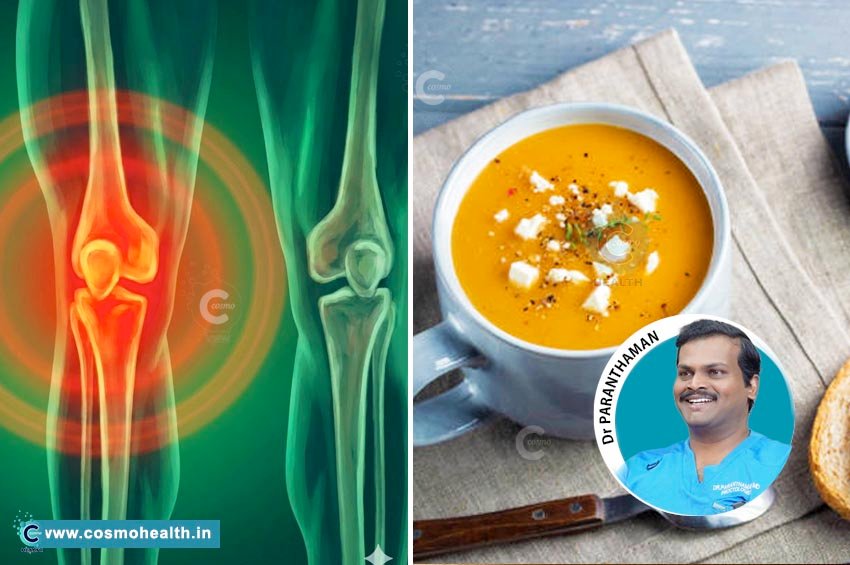
Managing knee pain effectively involves more than just relying on medication; in fact, integrating holistic practices, especially through Ayurveda, can offer long-lasting relief. This article delves into the Ayurvedic approach to treating knee pain, emphasizing natural remedies, lifestyle changes, and essential foods to maintain healthy joints.
In Ayurveda, knee pain is often attributed to an imbalance in the body's doshas, specifically the Vata dosha, which governs movement and bodily functions. Knee pain may manifest due to factors such as Inflammation in joints, Degeneration of cartilage due to aging or overuse,Weight issues putting pressure on joints, Nutritional deficiencies impacting joint health
Common Causes of Knee Pain
Several conditions may lead to chronic knee pain:
- Osteoarthritis due to wear and tear of cartilage
- Injuries resulting from accidents or excessive physical activity
- Inflammatory conditions such as arthritis
Ayurvedic Treatments for Knee Pain
Ayurvedic treatments often include personalized therapeutic sessions known as Panchakarma, and specific exercises prescribed for strengthening joints and improving mobility. Here are primary Ayurvedic treatments:
1. Herbal Applications
A specialized herbal oil or paste is applied to the affected knee area. The use of medicinal oils is believed to enhance blood circulation and reduce inflammation.
2. Kati Vasti and Janu Vasti
These treatments involve creating a dam-like structure around the knee with a dough made from whole wheat and filling it with warm herbal oil. This method helps in reducing swelling, lubricating the joints, and relieving pain.
3. Nadi Shodhana (Detoxification)
Detoxifying the body through Ayurvedic treatments can help balance the Vata dosha and eliminate toxins that may be causing pain. A tailored Panchakarma program can detoxify organs and tissues for optimal health.
4. Posture Correction and Yoga
Correcting posture and practicing yoga can greatly affect joint health. Specific asanas (yoga poses) improve balance, strength, and flexibility. However, exercises should be adapted based on individual conditions and tolerances.
Dietary Recommendations for Healthy Joints
Nutrition plays a vital role in maintaining joint health. Ayurveda emphasizes a diet rich in wholesome foods that support overall well-being. Here are some foods recommended to aid in joint health:
- Leafy Greens: Vegetables like spinach and kale are rich in essential nutrients and antioxidants that play a role in reducing inflammation.
- Whole Grains: Include barley, millets, and brown rice to provide energy and protein necessary for joint health.
- Legumes: Consuming lentils and beans offers protein and fiber which helps in maintaining a healthy weight.
- Healthy Fats: Incorporate nuts, seeds, and healthy oils (like sesame and coconut oil) that provide omega-3 fatty acids, beneficial for joint lubrication.
- Root Vegetables: Potatoes, especially sweet potatoes, are excellent for providing complex carbohydrates and essential nutrients.
- Spices: Utilize anti-inflammatory spices like turmeric and ginger in meals, known for their medicinal properties.
5. Foods to Eat for Joint Health:
- Herbs: Turmeric, ginger, and cinnamon can reduce inflammation and support joint pain management.
- Sources of Omega-3: Include flaxseeds, chia seeds, and walnuts to help maintain joint lubrication.
- Fermented Foods: Incorporating yogurt or fermented beverages can aid in digestive health, crucial for nutrient absorption.
Lifestyle Changes for Joint Health
In addition to dietary changes, certain lifestyle modifications can significantly alleviate knee pain:
- Regular Exercise: Engage in low-impact activities like walking, swimming, or cycling to enhance joint strength without causing strain.
- Maintain Healthy Weight: Keeping a healthy body weight reduces stress on the knees, promoting further joint health.
- Adequate Rest: Ensure to balance activity with sufficient rest to allow the body to repair and recuperate.
- Warm Compresses: Applying warmth to the knee can help soothe discomfort and improve blood circulation.
6. Avoid High-Impact Activities:
It's crucial to avoid activities that strain your knees. If you're experiencing significant pain, consult an Ayurvedic practitioner to tailor a regimen to your specific needs.
Conclusion
Ayurveda presents a holistic approach to managing knee pain, emphasizing natural remedies, diet, and lifestyle changes. By integrating these practices into your daily routine, it’s possible to achieve effective, long-lasting relief from knee pain. Investing in your joint health today will pave the way for a more active, pain-free tomorrow.
Call To Action
If you're struggling with knee pain, consider exploring the benefits of Ayurveda for a holistic solution. For personalized advice and treatment options, consult with an Ayurvedic practitioner today!